
Your Business, Your Sign: Choosing the Perfect Sign Type
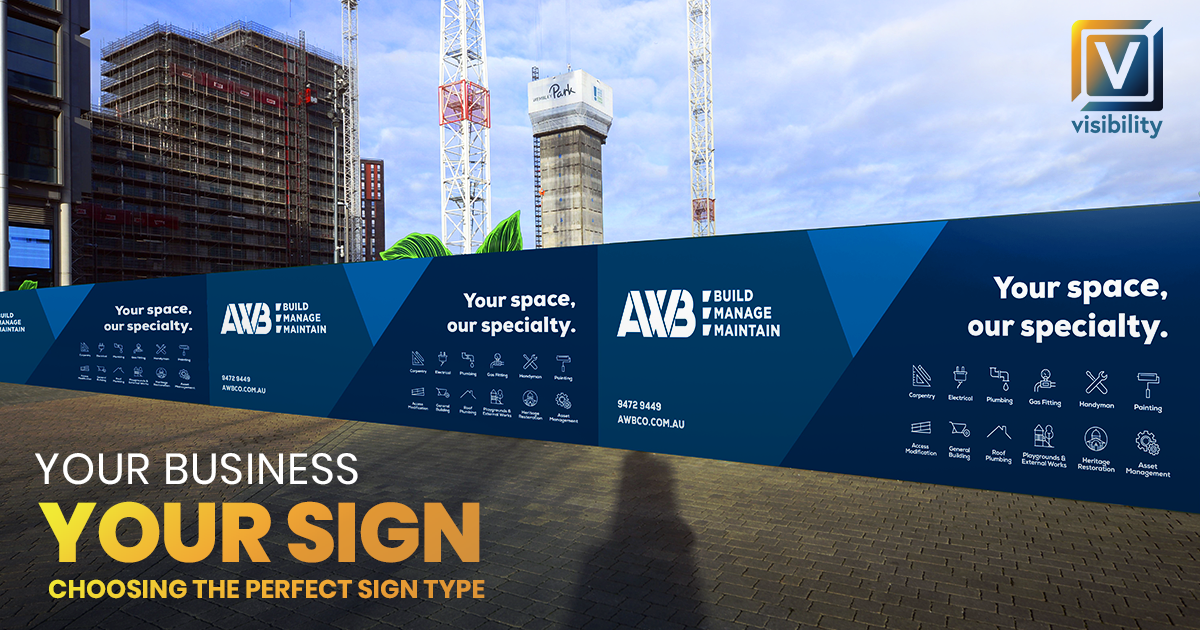
In today’s hyper-competitive marketplace, your sign is often the first physical interaction a customer has with your brand. Before they browse your website, read reviews, or step through your doors, they see your sign. It silently communicates who you are, what you offer, and whether you’re worth their time.
Choosing the right sign type isn’t just a design decision—it’s a business strategy. The right sign can drive foot traffic, increase brand recall, build credibility, and even influence purchasing decisions. The wrong sign, however, can confuse customers, cheapen your brand, or cause you to blend into the background.
This guide takes a deep dive into how to choose the perfect sign type for your business, breaking down key considerations, sign categories, industry use cases, and strategic best practices.
Why Business Signage Matters More Than You Think
Signage is one of the most cost-effective marketing tools available to businesses. Unlike digital ads that stop working when the budget runs out, a well-designed sign works 24/7 for years.
Key Benefits of Effective Business Signage
Brand visibility and recognition
Increased walk-in traffic
Professional credibility
Local brand authority
Wayfinding and customer guidance
Competitive differentiation
In fact, studies consistently show that a significant percentage of customers discover new businesses simply because they noticed a sign. For brick-and-mortar businesses, signage isn’t optional—it’s foundational.
Also Read: Why Custom Business Signs Matter: A Guide For Utah County Companies
Understanding Your Brand Before Choosing a Sign
Before diving into sign types, you must first understand your brand identity. The most effective signs are not generic; they are intentional reflections of the business behind them.
Ask yourself:
Is your brand luxury or budget-friendly?
Are you modern, traditional, playful, or corporate?
Do you serve a young, trendy audience or a professional clientele?
Is your business high-energy or calm and refined?
Your answers should influence:
Color choices
Typography
Materials
Lighting
Size and placement
A children’s daycare and a law firm may both need exterior signs—but their sign types should be radically different.
Key Factors to Consider When Choosing a Sign Type
1. Location and Visibility
Your physical environment plays a major role:
Is your business on a busy street or tucked into a plaza?
Do customers approach by foot, car, or both?
How far away does the sign need to be visible?
High-traffic roads demand bold, illuminated signage, while boutique interiors may benefit from subtle, design-focused signs.
2. Local Regulations and Zoning Laws
Every city has sign codes governing:
Size
Height
Illumination
Placement
Materials
Ignoring these rules can lead to fines or forced removal. Always research or consult professionals before finalizing your sign type.
3. Budget vs. Long-Term Value
Cheaper signs may save money upfront but often cost more long-term due to:
Frequent replacements
Fading
Maintenance issues
Think of signage as an investment, not an expense.
4. Day vs. Night Visibility
If your business operates after dark, illumination is critical. Non-lit signs may disappear at night, effectively turning off your branding.
Popular Types of Business Signs (And When to Use Them)
1. Channel Letter Signs
Best for: Retail stores, restaurants, franchises, shopping centers
Channel letters are three-dimensional, individually fabricated letters—often internally illuminated.
Advantages:
High visibility
Professional appearance
Excellent nighttime presence
Strong brand impact
Best Use Case: Businesses that want maximum exposure and a polished, established look.
2. Monument Signs
Best for: Office parks, hospitals, schools, large commercial properties
These ground-mounted signs are typically placed near entrances.
Advantages:
Easy to read from vehicles
Adds permanence and authority
Can feature multiple tenants
Best Use Case: Businesses set back from the road or within large complexes.
3. Pylon Signs
Best for: Highways, malls, gas stations, large retail chains
Tall, freestanding signs designed for long-distance visibility.
Advantages:
Extreme visibility
Ideal for fast-moving traffic
Can list multiple businesses
Best Use Case: Locations where distance and speed reduce visibility.
4. Blade (Projecting) Signs
Best for: Downtown areas, pedestrian zones, boutiques, cafes
These signs project perpendicular from the building.
Advantages:
Highly visible to foot traffic
Space-efficient
Adds character and charm
Best Use Case: Walkable areas where storefront width is limited.
5. Window Graphics and Vinyl Signs
Best for: Small businesses, startups, temporary promotions
Applied directly to windows or glass surfaces.
Advantages:
Affordable
Customizable
Great for branding and promotions
Best Use Case: Budget-conscious businesses or short-term messaging.
6. LED and Digital Signs
Best for: Restaurants, entertainment venues, gas stations, event spaces
Dynamic displays that allow content changes.
Advantages:
Eye-catching motion
Real-time updates
Multiple messages in one sign
Best Use Case: Businesses with frequent promotions or time-sensitive information.
7. Interior Signs
Best for: Offices, hospitals, retail stores, corporate buildings
Includes lobby signs, wayfinding, wall graphics, and directional signage.
Advantages:
Enhances customer experience
Reinforces branding
Improves navigation
Best Use Case: Businesses focused on professionalism and customer flow.
Matching Sign Type to Business Industry
Retail & Restaurants
Channel letters
LED menu boards
Window graphics
Blade signs
Corporate & Professional Services
Dimensional letters
Lobby signs
Monument signs
Healthcare & Education
Wayfinding systems
Monument signs
ADA-compliant signage
Real Estate & Construction
Temporary yard signs
Site signage
Banners
Each industry carries expectations. Meeting—or exceeding—those expectations builds trust instantly.
The Psychology Behind Sign Design
Good signage doesn’t just inform—it influences behavior.
Colors evoke emotion (red = urgency, blue = trust)
Fonts signal personality (serif = tradition, sans-serif = modern)
Lighting creates mood and importance
Materials suggest quality and permanence
Your sign subconsciously tells customers whether your business is:
Premium or budget
Trustworthy or questionable
Modern or outdated
Common Mistakes to Avoid When Choosing a Sign
Choosing style over readability
Ignoring nighttime visibility
Using too much text
Poor color contrast
Selecting cheap materials
Not considering brand consistency
A sign that looks good but can’t be read is a failed sign.
Your Sign Is a Silent Salesperson
Think of your sign as an employee that:
Never takes a break
Works 24/7
Represents your brand at all times
When designed strategically, it doesn’t just mark your location—it attracts, persuades, and converts.
Final Thoughts: Choose with Strategy, Not Guesswork
Choosing the perfect sign type requires more than picking what looks good. It demands an understanding of your brand, your audience, your environment, and your long-term goals.
Your business is unique. Your sign should be too.
When done right, your signage becomes more than a marker—it becomes a statement of authority, trust, and professionalism.
Back