

Custom Truck Wraps Turn Fleet Vehicles Into Marketing Machines
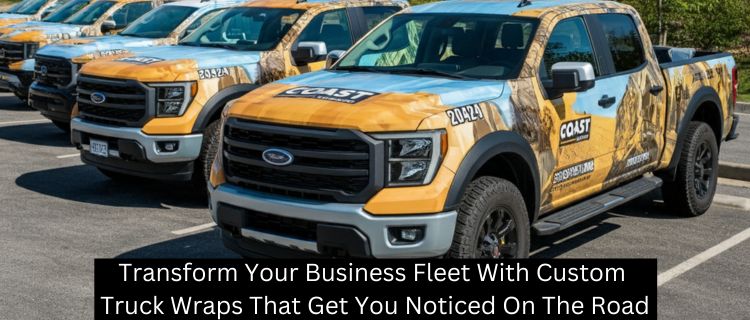
Last month, I sat in a coffee shop watching a plumbing truck pull into the parking lot across the street. The wrap was stunning—bold colors, clear contact information, and a clever tagline about “fixing problems that drain you.” Three people at nearby tables pulled out their phones to photograph the number. That’s the power of well-executed custom truck wraps: they turn routine errands into marketing opportunities that generate real leads.
I’ve been researching vehicle advertising for the past four years, talking to business owners about what works and what wastes money. The companies getting incredible returns from custom truck wraps share common strategies, while those disappointed with results made predictable mistakes. Let me show you exactly what separates effective fleet branding from expensive failures.
The difference between a wrap that generates steady business and one that gets ignored comes down to design choices, material quality, and understanding how mobile advertising actually works. This isn’t about making your trucks look pretty—it’s about turning every mile driven into measurable marketing value.
What Actually Happens When You Wrap Your Fleet
Custom truck wraps are large-format vinyl graphics applied directly to vehicle surfaces. The process involves printing your design onto specialized vinyl, laminating it for protection, and professionally installing it using techniques that ensure durability and appearance.
I watched an installation crew wrap a Ford F-350 last year. The process took about eight hours for a full wrap. They started by thoroughly cleaning every surface, removing any wax or contaminants that could prevent adhesion. Next came precise measurements and planning about where each vinyl panel would be positioned.
The actual application used heat guns to make vinyl conform to curved surfaces, squeegees to eliminate air bubbles, and sharp blades to trim excess material around doors, windows, and body panels. Watching professionals work showed me why DIY wrap attempts usually fail—this requires specialized skills developed through years of practice.
The vinyl itself is engineered specifically for vehicle applications. Premium materials like 3M or Avery Dennison wrap films include air-release technology that prevents bubbles, conformable properties that wrap around curves, and UV-protective laminates that prevent fading. These aren’t just big stickers—they’re sophisticated products designed for harsh outdoor environments.
A contractor friend explained that his wrapped trucks essentially wear a protective skin. The vinyl shields original paint from stone chips, minor scratches, and sun damage. When he eventually sells vehicles, he removes the wraps to reveal factory-fresh paint underneath, which significantly increases resale value.
Also read:
Local Sign Regulation Guide: Avoid Fines and Costly Delays
Real Numbers From Businesses Using Fleet Wraps
Let me share actual results from companies that tracked their custom truck wraps performance. These aren’t cherry-picked success stories—they represent typical outcomes when businesses execute properly.
Mountain Valley Plumbing: Three Truck Fleet
This plumbing company wrapped three service trucks in 2020. Total investment: $11,400 for all three vehicles with full wraps. They implemented a simple tracking system by asking every new caller how they heard about the company.
Over the following 18 months, they documented 127 new customers who specifically mentioned seeing their trucks. Their average job value was $680. That’s $86,360 in revenue directly attributed to the wraps. Even accounting for job costs, their return massively exceeded the initial investment.
The owner, Tom, told me something interesting. He’d been running Google Ads for years, spending about $900 monthly. After wrapping his fleet, he cut his digital ad budget in half because the truck-generated leads were higher quality. People calling after seeing his trucks were usually homeowners in his service area with immediate needs—not price shoppers comparing quotes from six different companies.
Precision Landscaping: Five Truck and Two Trailer Wraps
This landscaping company took a phased approach, wrapping vehicles over two years as budget allowed. They eventually wrapped five trucks and two equipment trailers, investing approximately $18,500 total.
They didn’t track leads as formally as the plumber, but their business grew from 52 regular clients to 134 clients during the three years following their first wrap installation. The owner attributes at least half that growth to increased visibility from wrapped vehicles.
More valuable than raw numbers was the client quality improvement. Their wrapped fleet attracted homeowners in upscale neighborhoods—exactly the demographic they wanted to serve. The professional appearance signaled quality and permanence, filtering out bargain hunters and attracting clients willing to pay for premium service.
Summit HVAC: Single Truck Learning Experience
Not every story is perfect, and Summit HVAC’s experience illustrates common mistakes. They wrapped one truck with a design that looked beautiful in the proof but failed on the road.
The wrap included their logo, eight different service descriptions in small text, multiple phone numbers for different regions, social media handles, website URL, and several certification logos. The result was visual chaos that communicated nothing effectively.
After six months of disappointing results, they redesigned with brutal simplicity: company name, “Heating & Air Conditioning,” one large phone number, and their logo. The second version generated regular inquiries. The lesson? Less information, larger fonts, clearer messaging.
Design Strategies That Actually Generate Calls
I’ve analyzed dozens of fleet wrap signs to understand what separates effective advertising from wasted vinyl. The patterns are consistent.
Readable Contact Information Is Everything
Your phone number should be legible from at least 50 feet away. If someone can’t capture your contact information while sitting at a red light behind your truck, you’re wasting impressions.
I measured font sizes on successful wraps and found phone numbers typically use 10 to 14-inch characters. Smaller text becomes unreadable from following vehicles. Remember that people viewing your truck are moving, distracted, and have only seconds to absorb information.
One electrical contractor told me he started getting calls immediately after enlarging his phone number from 6-inch to 12-inch characters on his van wraps. Same design, same colors, just bigger contact information—dramatically different results.
Clear Service Description Beats Clever Taglines
Creative taglines are fun, but clarity drives calls. “Emergency Plumbing 24/7” communicates more effectively than “Your Fluid Flow Experts.” People need to instantly understand what you do.
A roofing company used to have a clever slogan about “covering you in all conditions.” Nobody called because nobody immediately understood they were roofers. After changing to “Residential Roofing • Repairs • Replacement,” inquiries increased noticeably.
Test your messaging on people unfamiliar with your business. If they can’t immediately tell what you do from a three-second glance at your design, simplify the message.
High Contrast Colors Command Attention
Vehicle wraps compete with every other visual stimulus on the road. Bright, contrasting colors grab attention better than subtle, sophisticated palettes.
I’ve seen beautiful wraps in muted earth tones that looked elegant in photos but disappeared visually on busy streets. Meanwhile, wraps using bold primary colors or high-contrast combinations stood out even in heavy traffic.
This doesn’t mean every wrap should be neon yellow, but it does mean considering visibility from a distance under various lighting conditions. A painting contractor used bright white backgrounds with bold black text and accent colors matching their logo. The simplicity and contrast made their vans impossible to miss.
Professional Photography Versus Generic Graphics
Custom photography showing your actual work, team, or facilities creates authentic connections that stock images cannot match. Generic photos signal that you didn’t invest in professional marketing.
A remodeling contractor used before-and-after photos from actual projects in their truck wraps. The visual proof of quality work was more persuasive than any text claim. Prospects could see specific transformations and imagine similar results for their homes.
Another company used team photos showing their actual employees. This humanized the brand and built trust before first contact. People prefer doing business with real humans, not faceless corporate entities.
Material Choices That Determine Longevity
Not all vinyl is created equal, and material selection dramatically affects how long your investment lasts and how good it looks throughout its lifespan.
Premium Cast Vinyl Versus Cheaper Calendared Films
Cast vinyl is manufactured by spreading liquid resin into thin sheets, creating a material that’s thin, conformable, and durable. Premium cast films from manufacturers like 3M, Avery Dennison, or Oracal are designed specifically for vehicle wraps and include warranties of seven years or longer.
Calendared vinyl is made by forcing material through rollers, creating thicker, less flexible sheets. It costs less but doesn’t conform to curves as well, tends to shrink over time, and typically lasts only three to five years.
I’ve seen trucks with cheap calendared vinyl showing visible shrinkage around edges, pulling back from trim and creating unprofessional gaps. Those same trucks needed complete rewraps after three years because the material looked tired and faded.
Premium cast vinyl costs 30 to 40 percent more initially but lasts twice as long and maintains appearance throughout its lifespan. The total cost of ownership actually favors premium materials when you calculate replacement frequency.
Laminate Protection Makes or Breaks Durability
Quality wraps include laminate overlays that protect printed graphics from UV exposure, scratches, and chemical damage. This clear protective layer prevents fading and makes wraps cleanable without damaging graphics.
Wraps without laminate protection fade noticeably within 18 months, especially on horizontal surfaces receiving direct sun exposure like hoods and roofs. I’ve seen unlaminated wraps that started looking washed out and dull in their second year.
The laminate also provides gloss or matte finishes that affect final appearance. Gloss finishes pop visually and are easier to clean. Matte finishes look sophisticated but show dirt more readily and require more careful cleaning.
Ask specifically about laminate specifications when getting quotes. If a price seems unusually low, there’s probably a reason—and it’s often missing or inferior laminate protection.
Installation Quality Determines Whether Your Investment Succeeds
Beautiful designs printed on premium materials still fail if installation is poor. I’ve witnessed enough bad installs to recognize warning signs that predict disappointing results.
Surface Preparation Makes or Breaks Adhesion
Professional installers obsess over surface preparation. They wash vehicles thoroughly, then wipe down every panel with isopropyl alcohol to remove any remaining contaminants, wax, or oils that could prevent vinyl from adhering properly.
Skipping or rushing this step causes premature failure. I’ve seen wraps installed over dirty surfaces that started peeling within months because vinyl never properly bonded to the paint.
Temperature and humidity also matter during installation. Vinyl adhesives work best when applied in controlled environments between 60 and 80 degrees Fahrenheit. Installers working in unheated garages during winter or outside during summer heat risk adhesion problems.
Experienced Installers Handle Complex Curves and Panels
Vehicle surfaces include complex curves, recessed areas, rivets, and body lines that challenge installers. Properly wrapping these features requires heating vinyl to make it conformable, then carefully working it into shape without stretching so much that it eventually shrinks back.
I watched an amateur installer struggle with a van’s curved roof section. He kept getting bubbles and wrinkles that he couldn’t eliminate. A professional installer tackled the same area on a similar vehicle, using precise heat application and squeegee techniques that resulted in a perfectly smooth finish.
Doors, bumpers, mirrors, and handles all present specific challenges. Professional installers know techniques for each situation, while inexperienced workers create visible seams, misaligned graphics, or areas that lift prematurely.
Post-Installation Edges and Details
The difference between professional and amateur installation often shows in edge finishing and detail work. Pros wrap edges around panels and secure them invisibly. Amateurs leave visible edges that start lifting after a few weeks.
Trim work around windows, lights, and body molding should be precise, with vinyl cut cleanly without gaps or overlaps. Poor trimming creates unprofessional appearance and invites water intrusion that causes adhesive failure.
I examined a professionally installed wrap with a magnifying glass and couldn’t find any rough edges or imperfect cuts. Every transition was clean, every edge properly secured. That attention to detail is what separates quality installations that last from cheap jobs that fail early.
Full Wraps Versus Partial Coverage: Making Strategic Choices
This decision affects both initial cost and marketing impact. Understanding the tradeoffs helps you make smart investments.
Full Wrap Maximum Impact
Full wraps cover every visible surface, creating complete brand immersion. The entire vehicle becomes your message with no unpainted areas interrupting the design. This approach delivers maximum visual impact and allows creative freedom for cohesive designs.
For businesses operating one or two vehicles that represent their entire mobile presence, full wraps often make sense. You’re maximizing the advertising potential of limited assets.
A general contractor with two trucks chose full wraps showing completed projects, services offered, and contact information integrated into sophisticated designs. Those trucks became conversation starters that generated regular inquiries.
Partial Wraps Strategic Efficiency
Partial wraps cover high-visibility areas like doors, rear panels, or cargo sections while leaving other areas in the vehicle’s original color or simple painted backgrounds. This approach reduces costs by 40 to 60 percent while still delivering professional branding.
The key is strategic design that makes partial coverage look intentional rather than like a compromised full wrap. Well-executed partial wraps appear purposeful and professional.
A delivery company wrapped doors and rear panels on eight vehicles rather than fully wrapping four vehicles for the same budget. They decided that eight branded trucks generating impressions across more locations delivered better total visibility than four fully wrapped trucks.
Three years later, they’re convinced they made the right choice. Customers regularly mention seeing their trucks “everywhere,” which creates a perception of size and reliability that helps close deals.
Spot Graphics Minimum Investment
Some businesses use simple spot graphics—just logos and contact information on doors or rear panels. This approach minimizes investment while still identifying vehicles as company assets.
Spot graphics work better for businesses where vehicle branding is secondary to other marketing channels. A consulting firm might use simple door logos because their vehicles aren’t primary advertising tools. A service contractor relying heavily on vehicle visibility needs more comprehensive coverage.
Maintenance Practices That Extend Wrap Lifespan
Quality wraps should last five to seven years with proper care, but I’ve seen wraps fail in three years due to neglect and others still looking great after eight years because of good maintenance.
Regular washing removes contaminants that degrade vinyl over time. Road salt, tree sap, bird droppings, and industrial fallout all break down materials if left sitting on surfaces. Hand washing or touchless car washes work best—avoid brush car washes that can catch vinyl edges and cause lifting.
A pest control company learned this lesson expensively. They never washed their wrapped trucks, assuming rain would handle it. Within two years, the wraps looked faded and grimy. They replaced wraps earlier than necessary purely due to neglect.
Park in covered areas when possible. Constant sun exposure fades colors and breaks down adhesive, even with UV-protective laminates. Parking in shade rather than direct sun whenever possible extends wrap life measurably.
Address damage immediately. Small tears or lifting edges that get ignored become bigger problems. Most professional installers can repair minor damage using vinyl patches that blend seamlessly when addressed quickly.
Measuring Return on Investment From Fleet Wraps
Smart businesses track advertising effectiveness rather than assuming results. Measuring custom truck wraps ROI requires intentional systems.
The simplest approach: ask every caller how they heard about you. Train everyone who answers phones to ask this question and record responses. After a few months, you’ll have data showing how many inquiries came from vehicle sightings.
Use dedicated phone numbers on wrapped vehicles if you want precise tracking. Services like CallTrackingMetrics or CallRail provide local numbers that forward to your main line while tracking every call. This eliminates guesswork in attribution.
An electrical contractor implemented dedicated numbers on wrapped vehicles and discovered they generated 28 percent of total inquiries. That data justified expanding from three wrapped trucks to six, knowing the channel delivered measurable returns.
Calculate cost per impression to compare vehicle wraps against other advertising. A wrap generating 40,000 daily impressions for six years creates over 87 million total impressions. At a $3,500 investment, that’s about four cents per thousand impressions—dramatically cheaper than digital advertising, billboards, or traditional media.
Strategic Fleet Branding Beyond Just Trucks
While trucks get the most attention, other vehicles and equipment offer branding opportunities that many businesses overlook.
Trailers and Equipment Haulers
Trailers provide massive surface areas perfect for graphics. Landscaping trailers, equipment haulers, and cargo trailers can all be wrapped to extend your mobile advertising presence.
A tree service company wrapped their equipment trailer with dramatic photos of tree removal projects. The trailer sat at job sites for hours or days, providing extended exposure in neighborhoods where potential customers lived. Multiple clients mentioned the trailer specifically when calling for estimates.
Service Vans and Box Trucks
Vans and box trucks offer even larger surface areas than pickup trucks. The flat sides of box trucks function like mobile billboards that can include substantial information and graphics.
A moving company used their box truck sides to display customer testimonials, service descriptions, and contact information. The large format allowed readable text even from significant distances, turning highway driving into effective advertising.
Company Cars and SUVs
Even passenger vehicles can be branded, though the approach should be more subtle than commercial truck wraps. Simple door logos, rear window graphics, or minimal branding maintains professional appearance while identifying vehicles as company assets.
A real estate agent uses subtle door logos and rear window graphics on her luxury SUV. The branding is professional without being overwhelming, appropriate for pulling into upscale neighborhoods where her clients live.
Why Some Businesses Skip This and Regret It Later
I’ve talked to business owners who resisted fleet wrapping for years, then wished they’d started earlier. Their hesitations usually fall into predictable categories.
Concern About Commitment
Some owners worry about committing to a design they might want to change later. This concern ignores that wraps are removable. If your branding evolves, you can remove and replace wraps without damaging vehicles.
A restaurant owner delayed wrapping delivery vehicles because he thought he might change his logo. After two years of lost advertising opportunities, he finally wrapped the fleet. When he did rebrand three years later, the wrap removal and replacement was straightforward.
Underestimating Visual Impact
Businesses accustomed to digital advertising sometimes underestimate how powerfully physical presence affects perception. Wrapped vehicles create impressions that digital ads simply cannot match.
A software company initially dismissed vehicle wrapping as irrelevant for their industry. After wrapping their sales team’s vehicles, they noticed prospects taking them more seriously during meetings. The professional appearance translated to perceived credibility that helped close enterprise deals.
Also Read:
Office Makeover Checklist: Everything You Need From Entrance Signs to Indoor Directional Signage
Focusing Only on Digital Channels
Many businesses pour money exclusively into digital advertising while ignoring physical marketing opportunities. This single-channel approach leaves value on the table.
Your vehicles are already on the road consuming fuel and requiring maintenance. Making them work harder for your business is just smart resource allocation. The incremental investment transforms passive assets into active marketing machines.
Making Vehicle Signs Work Harder for Your Business
Custom truck wraps represent one component of comprehensive fleet branding. Combining wraps with magnetic signs, window graphics, and trailer wraps creates cohesive mobile advertising that maximizes every vehicle’s potential.
Think about your entire fleet as a distributed marketing network. Each vehicle reaches different audiences in different locations. Coordinating designs across all vehicles creates consistent brand presence that builds recognition through repetition.
The businesses dominating their markets aren’t just delivering quality products and services—they’re creating complete brand experiences that include strategic vehicle branding. Custom truck wraps transform ordinary fleet vehicles into marketing assets that generate awareness, build credibility, and create opportunities you’d otherwise never capture.
Your trucks are already driving routes, making deliveries, and sitting at job sites. Make those miles work harder by turning every vehicle into a mobile billboard that advertises constantly without additional effort or ongoing expense.
Back