



Truck Wraps Transform Your Business Into Mobile Billboard
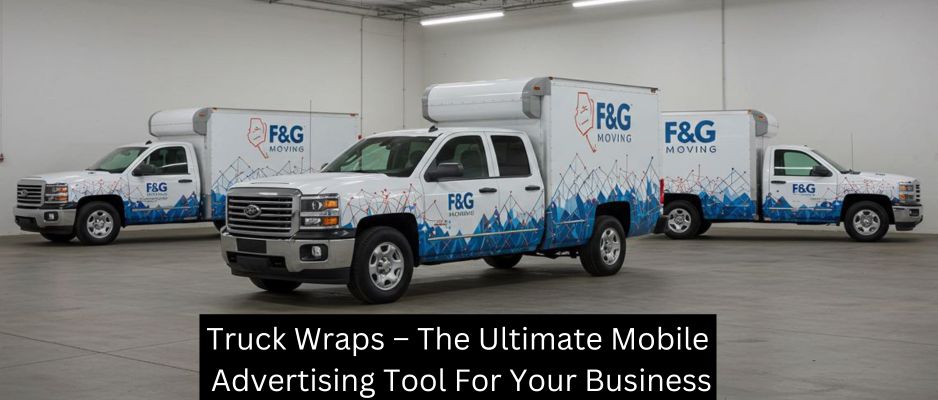
I’ll never forget the moment I realized the true power of truck wraps. It was a Tuesday morning in 2018, and I was sitting in bumper-to-bumper traffic on I-15, watching a beautifully wrapped plumbing truck three cars ahead. By the time traffic cleared, I’d memorized their phone number, noticed their “emergency service” promise, and actually thought, “I should save this for when I need a plumber.” That truck wasn’t just transporting tools—it was generating potential customers while stuck in the same frustrating traffic jam as everyone else.
That experience changed how I thought about advertising entirely. While businesses pour money into fleeting digital ads that vanish the second someone scrolls past, truck wraps work relentlessly every single day without demanding another dollar. Whether you’re operating a single pickup or managing an entire commercial fleet, vehicle wraps represent one of the smartest marketing investments you’ll ever make—and I’m going to show you exactly why.
Why Smart Business Owners Choose Truck Wraps
Here’s something that might surprise you: the average wrapped vehicle generates between 30,000 and 70,000 impressions daily, according to the Outdoor Advertising Association of America. Think about that for a second. Your truck is already driving routes, making deliveries, sitting at job sites, and parking in public areas. Why not make every single one of those moments work for your marketing?
When I started consulting with small businesses about their marketing strategies, I noticed a pattern. The ones investing in digital ads were constantly stressed about budgets, click-through rates, and algorithm changes. Meanwhile, businesses with wrapped vehicles were getting consistent leads without the ongoing expense or stress.
The math is pretty straightforward. A quality truck wrap costs between $2,500 and $5,000 depending on size and coverage. That wrap lasts five to seven years with proper care. Compare that to digital advertising where you might spend $500 monthly and have nothing to show for it the moment you stop paying. The truck wrap keeps working whether you’re thinking about marketing or not.
Massive Brand Visibility
Your wrapped truck doesn’t take days off. It advertises while you’re working, while you’re grabbing lunch, while you’re stuck in traffic, and even while it’s parked overnight in your driveway. This constant exposure builds brand recognition in ways that sporadic advertising simply cannot match.
I worked with a local HVAC company that wrapped three of their service trucks. Within six months, they reported something fascinating: customers were calling them by name, saying things like “I see your trucks everywhere!” In reality, those three trucks were just doing their normal routes. But the visibility created a perception of size and reliability that helped close deals.
Also read:
Indoor vs Outdoor Signs: Choosing the Right Signage for Your Utah Business
Professional Credibility That Opens Doors
There’s an unspoken psychology at work when customers see professionally branded vehicles. A wrapped truck signals that you’re established, successful, and serious about your business. It’s the difference between looking like a weekend handyman and a legitimate company.
My friend Sarah runs a residential cleaning service. Before wrapping her vehicles, potential clients would sometimes hesitate, wondering if she was “really a business” or just someone cleaning houses on the side. After wrapping two vehicles with her logo, color scheme, and service list, those concerns evaporated. The professional appearance answered credibility questions before they were even asked.
Paint Protection With Purpose
Here’s a bonus benefit many people overlook: high quality wraps actually protect your vehicle’s original paint from sun damage, minor scratches, and road debris. When you eventually remove the wrap, the paint underneath looks factory fresh—preserving resale value.
I’ve seen five-year-old trucks with wrap removal that looked like they just rolled off the lot. Meanwhile, unwrapped vehicles of the same age showed fading, chips, and wear. You’re protecting your asset while advertising your business. That’s what I call smart resource management.
Complete Customization For Your Brand
Vehicle wraps aren’t one-size-fits-all solutions. You can wrap an entire truck for maximum impact, choose strategic partial coverage to fit smaller budgets, or add simple graphics that still make a statement. This flexibility means businesses of any size can leverage this marketing tool effectively.
Industries Getting Incredible Results From Truck Wraps
While virtually any business can benefit from vehicle advertising, certain industries see particularly strong returns on their wrap investments.
Delivery and Logistics Companies
If your business involves regular deliveries, you’re already traveling through neighborhoods and commercial areas where potential customers live and work. Every delivery route becomes an advertising opportunity.
I consulted with a local beverage distributor who wrapped their entire delivery fleet. Their drivers reported people flagging them down asking where they could purchase products. Those spontaneous interactions led to new retail accounts they’d never have discovered through traditional prospecting.
Construction and Trade Services
Contractors, plumbers, electricians, roofers, and landscapers all benefit enormously from wrapped vehicles. When your truck is parked at a job site, neighbors see it. When you drive through residential areas, homeowners notice. This visibility generates the exact kind of local awareness that brings in new projects.
A roofing contractor I know jokes that his wrapped trucks are his best salespeople. Homeowners see the truck working in their neighborhood, which creates an unconscious endorsement. “If my neighbor trusts them, maybe I should too.” That psychological effect is marketing gold.
Food and Beverage Services
Catering companies, food trucks, beverage distributors, and restaurant supply businesses gain tremendous value from vehicle wraps. The mobile nature of food service means you’re constantly in different locations where new audiences see your brand.
One catering company told me their wrapped van led to three wedding bookings in a single month—all from people who saw the vehicle at different events and took photos of the contact information. That’s advertising working even when you’re focused on something else entirely.
Cleaning and Maintenance Services
Residential cleaners, commercial janitorial companies, window cleaners, and property maintenance businesses build trust through visibility. When the same wrapped vehicles appear regularly in neighborhoods or business districts, people begin recognizing and trusting your brand.
A commercial cleaning service owner shared that property managers started calling them specifically because they’d seen the trucks servicing other buildings. The wraps created a perception of being the established provider in the area, which opened doors to larger contracts.
Full Wrap Versus Partial Wrap: Making the Right Choice
This is where many business owners get stuck. Should you invest in complete vehicle coverage or go with a more budget-friendly partial wrap? Let me break down both options based on real-world results I’ve seen.
Full Wrap Coverage
A full wrap covers every visible surface of your vehicle, creating a completely branded experience. The entire truck becomes a cohesive advertisement with no unpainted areas interrupting the message.
The visual impact is undeniable. Full wraps command attention and allow for creative designs that turn vehicles into genuine works of mobile art. If budget allows, this approach delivers maximum exposure and the strongest brand impression.
I’ve seen full wraps transform ordinary delivery trucks into memorable brand experiences. One plumbing company used their entire vehicle surface to display customer testimonials, service areas, guarantees, and even photos of their team. That truck didn’t just advertise—it told a complete brand story.
Partial Wrap Strategy
Partial wraps strategically cover key areas like doors, rear panels, or the cargo area while leaving other sections in the vehicle’s original color or a simple painted background. This approach dramatically reduces costs while still delivering professional branding.
The key is strategic design. A well-executed partial wrap placed on high-visibility areas can deliver nearly the same impact as full coverage at a fraction of the cost. I’ve seen brilliant partial wraps that look intentional and professional rather than like compromised full wraps.
One landscaping company I worked with chose partial wraps for their entire fleet, investing the savings into wrapping additional vehicles instead. They decided that five partially wrapped trucks would generate more total impressions than two fully wrapped ones. Smart thinking.
Making Your Decision
Consider your budget, fleet size, and brand goals. If you operate one or two vehicles that represent your entire mobile presence, full wraps might make sense. If you’re wrapping multiple vehicles, partial wraps on more trucks often delivers better overall reach.
There’s no wrong choice—only the choice that best fits your situation. I’ve seen businesses succeed brilliantly with both approaches.
The Real ROI of Truck Wraps
Let’s talk numbers, because this is where vehicle wraps truly shine compared to other advertising methods.
A study by the American Trucking Association found that vehicle wraps generate the lowest cost per thousand impressions of any advertising medium. We’re talking pennies per thousand views compared to dollars for digital advertising.
Calculate it yourself: a $3,500 wrap lasting six years, generating 40,000 impressions daily. That’s over 87 million impressions during the wrap’s lifespan. Your cost per thousand impressions? About four cents. Show me any other advertising channel that delivers those economics.
But raw impressions only tell part of the story. The quality of those impressions matters enormously. Unlike digital ads that people actively try to avoid or scroll past, vehicle wraps enter consciousness more naturally. People stuck in traffic, walking down sidewalks, or waiting at intersections have time to actually read and absorb your message.
No Ongoing Costs
This might be my favorite aspect of truck wraps. You pay once and you’re done. No monthly bills, no campaign renewals, no budget meetings about whether to continue advertising. The wrap just keeps working.
I’ve watched business owners stress over pausing digital campaigns during slow months, knowing they’re losing visibility but unable to justify the expense. Wrapped vehicles keep advertising regardless of cash flow fluctuations. That consistency provides enormous peace of mind.
Measurable Lead Generation
Smart businesses use tracking methods to measure wrap effectiveness. Dedicated phone numbers on vehicles, specific URLs, or simply asking new customers “how did you hear about us?” provides concrete data.
A general contractor told me that roughly 30 percent of their new inquiries referenced seeing their trucks. For them, those wraps generated six figures annually in new project revenue. That’s not just ROI—that’s business transformation.
Design Elements That Make Truck Wraps Work
Not all wraps deliver equal results. The difference between forgettable and phenomenal often comes down to design decisions.
Readable Contact Information
This seems obvious, but I’ve seen wraps fail this basic requirement. Your phone number should be readable from a reasonable distance. If someone in the car behind you can’t read your contact information at a stoplight, you’re wasting impressions.
I recommend large, bold fonts with high contrast. Dark text on light backgrounds or vice versa. Avoid decorative fonts that sacrifice readability for style. Your goal is instant comprehension, not artistic achievement.
Clear Service Messaging
People seeing your truck for three seconds at an intersection need to immediately understand what you do. “Emergency Plumbing” communicates more effectively than “Fluid Transportation Solutions.” Simple, direct language works.
A pest control company I know simply lists the problems they solve: “Ants. Termites. Rodents. Spiders.” It’s not fancy, but it’s instantly clear who should call them.
Strategic Color Choices
Bright, contrasting colors grab attention better than muted tones. This doesn’t mean every wrap should be neon yellow, but it does mean considering visibility from a distance.
I’ve seen beautiful wraps that looked amazing in photos but disappeared visually on the road because they lacked contrast. Remember that your wrap competes with every other visual stimulus people encounter. It needs to stand out.
Professional Photography and Graphics
Blurry photos or pixelated logos ruin otherwise good wraps. Invest in high-resolution graphics that look crisp even when enlarged to vehicle size. This is not the place to cut corners.
A painting contractor used actual photos from completed projects in their wrap design. The visual proof of quality work was more persuasive than any written claim could be.
Installation Quality Makes or Breaks Your Investment
Here’s something many business owners learn the hard way: a brilliant design poorly installed looks terrible and won’t last.
Professional installation requires specific skills, tools, and experience. Installers must properly prepare surfaces, apply vinyl without bubbles or wrinkles, and trim perfectly around vehicle features. This isn’t a DIY project unless you have specific training.
I’ve witnessed bad installations that started peeling within months, developed bubbles that never smoothed out, and showed misaligned graphics that made professional brands look amateurish. Those failures weren’t design problems—they were installation problems.
Ask potential installers about their experience, request photos of previous work, and check references. The few hundred dollars you might save using a cheaper installer will cost you thousands when the wrap fails prematurely.
Also Read:
From Empty Walls to Fully Branded Store: Complete Signage Solutions for Retail Businesses in Utah
Maintenance That Extends Wrap Lifespan
Quality wraps should last five to seven years, but only with proper care. I’ve seen wraps fail in three years due to neglect and others still looking great at eight years because of good maintenance.
Regular washing removes dirt and contaminants that degrade vinyl over time. Hand washing or touchless car washes work best—avoid brush car washes that can lift wrap edges or cause scratching.
Park in covered areas when possible. Constant sun exposure fades colors and breaks down adhesive over time. Even just parking in shade rather than direct sunlight extends wrap life.
Address damage immediately. Small tears or lifting edges that get ignored become big problems. Quick repairs prevent minor issues from destroying entire wrap sections.
Why This Investment Pays Off
After years of watching businesses implement vehicle wrap strategies, I’m convinced this remains one of the most underutilized marketing tools available. The businesses that embrace it gain enormous competitive advantages over those that don’t.
Your trucks are already on the road. They’re already consuming fuel, requiring maintenance, and taking up space. Why not make them work harder for your business? The incremental investment transforms passive assets into active marketing machines.
I think about that plumbing truck I saw in traffic years ago. That company probably spent $3,000 on that wrap. But how many customers like me saw it, remembered it, and eventually called them? How many jobs did that single truck generate over its lifetime?
That’s the power of truck wraps—turning everyday business operations into advertising opportunities that work constantly without additional effort or expense.
Whether you operate one vehicle or manage an entire fleet, custom truck wraps deserve serious consideration in your marketing strategy. The return on investment, the professional credibility, and the constant exposure create business growth that compounds over time.
Your competition is probably already doing this. The question isn’t whether vehicle wraps work—the evidence is overwhelming that they do. The question is whether you’ll leverage this tool before or after your competitors dominate the visual landscape in your market.
Make your vehicles work as hard as you do. Wrap them, brand them, and watch them generate opportunities you’d otherwise never capture.
Back