


Opening or Renovating a Restaurant? Complete Guide to Signs, Menu Boards, Window Graphics & Interior Branding
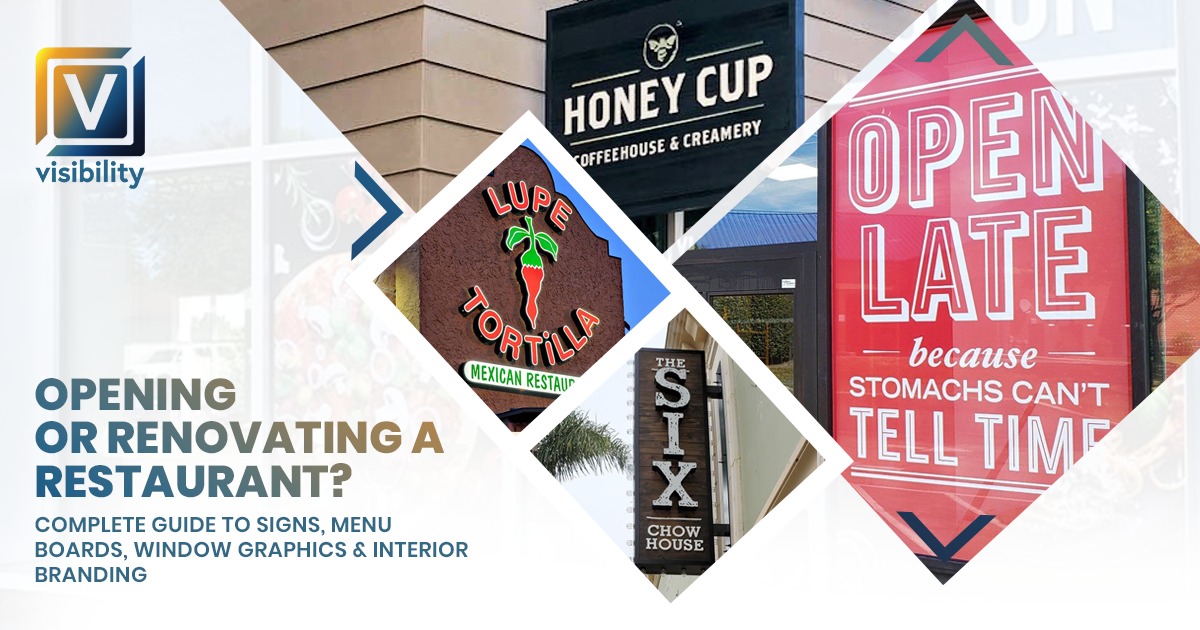
Opening or renovating a restaurant is more than just choosing furniture, designing a kitchen, or planning a menu. One of the most important yet often underestimated aspects is visual branding. The way your restaurant looks from the outside and feels on the inside directly affects how customers perceive your business, how many people walk in, and how memorable your brand becomes.
In today’s competitive food industry, signage, menu boards, window graphics, and interior branding play a crucial role in creating a strong identity. They are not just decorative elements; they are powerful marketing tools that influence customer behavior and boost sales.
This complete guide explains everything you need to know about restaurant signage and branding when opening a new restaurant or renovating an existing one.
Why signage and branding matter for restaurants
When people walk or drive past your restaurant, they decide within seconds. A well-designed exterior sign or inviting window display can turn a passerby into a customer.
Here’s why visual branding is essential:
- It creates the first impression of your restaurant
- It communicates your style (luxury, casual, fast food, fine dining, etc.)
- It increases brand recognition and recall
- It improves customer trust and credibility
- It influences purchasing decisions inside the restaurant
Without proper signage and branding, even great food can go unnoticed.
Also Read:
Office Makeover Checklist: Everything You Need From Entrance Signs to Indoor Directional Signage
Exterior signage: the face of your restaurant
Exterior signage is the most important branding element for any restaurant. It is what people see first and remember last.
Types of exterior restaurant signs
- Channel letter signs
These are 3D illuminated letters mounted on the building. They are highly visible both day and night and are commonly used for modern restaurants. - Pylon or pole signs
These are tall freestanding signs placed near roads or parking areas. They help attract customers from a distance. - Monument signs
These are ground-level signs made of stone, metal, or acrylic. They give a premium and professional look. - Awning signs
Printed or lit awnings that combine branding with weather protection. - Blade signs
Mounted perpendicular to the building, great for walk-by traffic in busy areas.
Key considerations for exterior signs
- Visibility from the road and distance
- Night lighting options
- Weather-resistant materials
- Alignment with brand colors and theme
- Local sign regulations and permits
A strong exterior sign ensures your restaurant is noticed even in a crowded street.
Menu boards: influencing customer decisions
Menu boards are one of the most powerful sales tools inside a restaurant. They directly influence what customers order and how much they spend.
Types of menu boards
- Digital menu boards
These use screens to display changing menus, promotions, and visuals. They are commonly used in fast food and modern cafes. - Printed menu boards
Traditional static boards are made of acrylic, wood, or metal. - Chalkboard menus
Popular in cafes and casual dining restaurants for a handmade, artistic feel. - Lightbox menu boards
Illuminated boards that enhance visibility in dim lighting.
Best practices for menu design
- Keep text clear and readable
- Highlight best-selling items
- Use high-quality food images
- Group items logically (drinks, main course, desserts)
- Avoid clutter and too much text
- Use pricing psychology strategically
A well-designed menu board not only informs customers but also increases average order value.
Window graphics: turning glass into marketing space
Window graphics are one of the most underused branding opportunities in restaurants. They transform plain glass into powerful advertising space.
Types of window graphics
- Frosted vinyl for privacy and elegance
- Full-color printed graphics for promotions
- Cut vinyl lettering for branding and hours
- Seasonal or promotional decals
- Perforated window film (see-through from inside)
Benefits of window graphics
- Attract attention from outside
- Promote offers and specials
- Provide privacy without blocking light
- Reinforce branding identity
- Improve overall storefront appearance
A restaurant with well-designed window graphics looks more active, professional, and inviting.
Interior branding: creating the customer experience
Once customers step inside, interior branding takes over. This is where you shape how they feel and how long they stay.
Key elements of interior branding
- Wall graphics
Large printed designs, patterns, or storytelling visuals that reflect your restaurant’s theme. - Directional signage
Helps customers find restrooms, seating areas, counters, or exits easily. - Reception or welcome signs
Placed at the entrance to reinforce branding and set tone. - Table branding elements
Includes QR code stands, tabletop menus, or branded accessories. - Ceiling and hanging signs
Used in large restaurants to guide and decorate spaces.
Importance of interior branding
- Enhances customer experience
- Builds emotional connection with brand
- Encourages longer stays and repeat visits
- Creates Instagram-worthy spaces for social sharing
Interior branding turns a restaurant from just a food place into an experience.
Also Read:
How to Transform Your Office Interior Without Renovation Using Signs, Glass Stickers & Wall Designs
Branding consistency across all signage
One of the biggest mistakes restaurants make is inconsistent branding. Your exterior sign, menu boards, and interior design should all follow the same identity.
Maintain consistency in:
- Color scheme
- Fonts and typography
- Logo placement
- Design style (modern, rustic, luxury, etc.)
- Messaging tone
Consistency helps customers recognize your brand instantly, whether they see your sign outside or your menu inside.
Common mistakes to avoid
Many restaurant owners rush signage decisions during opening or renovation. This leads to costly mistakes.
Avoid these issues:
- Poor lighting on exterior signs
- Overcrowded menu boards
- Low-quality printing materials
- Ignoring visibility from the road
- Inconsistent branding styles
- Not following local signage regulations
Proper planning saves money and improves long-term branding success.
How signage supports restaurant marketing
Signage is not just decoration; it is a marketing system that works 24/7.
It helps you:
- Increase foot traffic
- Promote special offers
- Strengthen brand awareness
- Improve customer experience
- Differentiate from competitors
In many cases, effective signage works better than digital ads because it targets local, real-time customers.
Also Read:
Complete Office Branding Guide: From Reception Signs to Washroom Icons & Window Graphics
Renovation opportunity: upgrading your restaurant branding
If you are renovating an existing restaurant, it is the perfect time to upgrade your signage and branding.
Consider:
- Replacing old exterior signs with modern illuminated designs
- Updating menu boards with digital or redesigned layouts
- Adding window graphics for promotions
- Refreshing interior walls with branding visuals
- Improving directional signage for better flow
A renovation is not just about looks; it is about improving customer experience and boosting revenue.
Final thoughts
Whether you are opening a new restaurant or renovating an existing one, signage and branding should be a top priority. From exterior signs that attract attention to menu boards that drive sales and interior branding that creates experiences, every visual element plays a role in your restaurant’s success.
A well-designed signage system helps you stand out in a competitive market, attract more customers, and build a memorable brand that people return to again and again.
Investing in professional restaurant signage is not an expense; it is a long-term business growth strategy.
Back