


Complete Hospitality Signage Guide: Creating a Seamless Guest Experience from Entrance to Dining Area
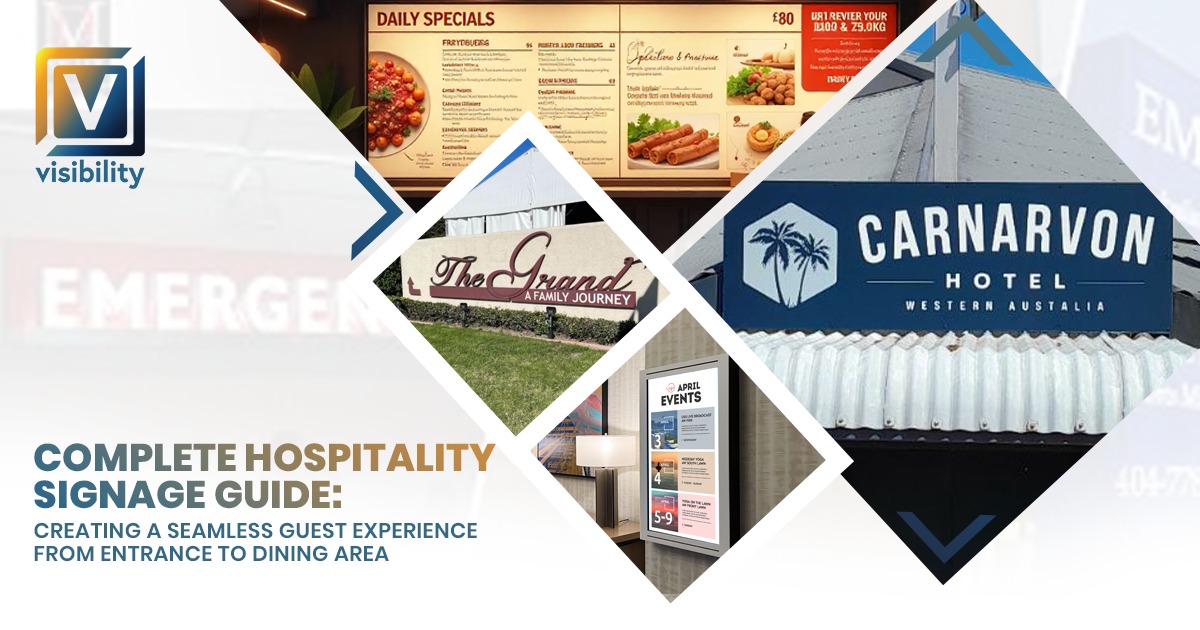
In the hospitality industry, every detail matters. From the moment a guest approaches your building to the time they leave, their experience is shaped not only by service but also by how easily they can navigate and connect with the space. This is where hospitality signage plays a crucial role.
Well-designed signage does much more than show directions. It builds first impressions, strengthens branding, enhances comfort, and ensures a smooth journey for every guest. Whether it is a hotel, restaurant, resort, or event venue, signage is one of the most important tools for creating a seamless guest experience.
This guide explains how to use hospitality signage effectively from the entrance to the dining areas, covering design principles, types of signage, placement strategies, and guest experience optimization.
Understanding Hospitality Signage and Its Role
Hospitality signage refers to all visual communication elements used in hotels, restaurants, resorts, and entertainment spaces to guide, inform, and enhance guest experience.
It includes everything from exterior building signs to interior directional signs, menu boards, room labels, and decorative branding elements.
The main goals of hospitality signage are:
- Help guests navigate spaces easily
- Strengthen brand identity
- Improve comfort and reduce confusion
- Ensure safety and compliance
- Enhance the overall ambiance of the space
When signage is planned correctly, guests feel more relaxed and confident, which directly improves satisfaction.
Also Read:
How to Transform Your Office Interior Without Renovation Using Signs, Glass Stickers & Wall Designs
First Impressions Start at the Entrance
The entrance is the first physical interaction a guest has with your business. A poorly designed or unclear entrance can create confusion and reduce trust instantly.
Entrance signage should focus on clarity, visibility, and brand identity.
Key elements include:
- Main building signage with brand name and logo
- Directional signs for entry points and parking
- Lighting for nighttime visibility
- Welcome signs that create a positive tone
A strong entrance sign not only attracts attention but also sets expectations for the experience inside.
For example, luxury hotels often use illuminated 3D signage with premium materials, while casual restaurants may use warm, creative signage that reflects their theme.
Wayfinding Signage for Easy Navigation
Once guests enter the space, the next challenge is navigation. Large hospitality spaces often confuse visitors if directions are not clearly marked.
Wayfinding signage helps guide guests step-by-step without requiring staff assistance.
Common wayfinding signs include:
- Lobby direction signs
- Elevator and stair indicators
- Restroom signage
- Parking and exit directions
- Floor directories in hotels
Good wayfinding signage should be:
- Simple and easy to read
- Consistent in design style
- Strategically placed at decision points
- Multilingual when necessary
The goal is to eliminate confusion and help guests move smoothly through the space without stress.
Reception and Lobby Branding Signage
The reception or lobby area is the emotional center of hospitality spaces. It is where guests form their strongest impression of the brand.
Lobby signage should combine functionality with aesthetics.
Important signage types include:
- Reception desk logo signage
- Wall branding and motivational quotes
- Digital welcome screens
- Directory boards for services or rooms
This area is also a powerful branding opportunity. Many modern hotels use custom wall installations, acrylic logos, or backlit signage to create a premium feel.
A well-designed lobby environment communicates professionalism and builds trust instantly.
Room Identification and Internal Direction Signs
In hotels and resorts, room identification signage is essential for smooth operations. Guests should be able to find their rooms without confusion.
Room signage should be:
- Clearly numbered or named
- Consistent across all floors
- Visible under low lighting conditions
- Durable for long-term use
In addition to room numbers, internal signage may include:
- Conference room labels
- Spa or gym direction signs
- Restaurant or bar indicators inside the property
These small details significantly improve guest satisfaction and reduce staff workload.
Dining Area Signage and Guest Flow
The dining area is one of the most important spaces in hospitality businesses like hotels and restaurants. Clear signage ensures smooth guest flow and enhances the dining experience.
Effective dining signage includes:
- Menu boards (digital or printed)
- Table reservation signs
- Self-service instructions (if applicable)
- Buffet direction signs
- Queue management signage
In restaurants, menu presentation is part of signage strategy. A well-designed menu board can influence ordering behavior and increase sales.
For luxury dining, subtle and elegant signage is preferred, while fast-casual restaurants benefit from bold and clear visuals.
Branding Consistency Across All Signage
One of the most important principles in hospitality signage is consistency. Every sign in the space should feel like part of the same brand system.
Consistency includes:
- Fonts and typography style
- Color palette
- Logo placement and usage
- Material choices
- Design tone (modern, luxury, casual, rustic)
When signage is consistent, it strengthens brand recognition and creates a unified experience. Inconsistent signage, on the other hand, can make a business feel unprofessional or confusing.
Safety and Compliance Signage in Hospitality Spaces
Beyond branding and navigation, safety signage is a legal and operational necessity in hospitality environments.
Common safety signs include:
- Fire exit signs
- Emergency evacuation routes
- No smoking signs
- Wet floor warnings
- Health and hygiene notices
These signs must be highly visible and placed according to safety regulations.
While they are functional, they should still align visually with the brand when possible to maintain a cohesive look.
Also Read:
Office Makeover Checklist: Everything You Need From Entrance Signs to Indoor Directional Signage
Digital Signage in Modern Hospitality
Modern hospitality businesses are increasingly adopting digital signage to improve guest engagement and flexibility.
Digital signage is used for:
- Real-time menu updates
- Event announcements
- Promotional offers
- Welcome messages
- Interactive directories
Benefits of digital signage include:
- Easy content updates
- Reduced printing costs
- More dynamic guest communication
- Enhanced visual appeal
Hotels and restaurants using digital signage often create a more modern and engaging guest experience.
Outdoor Hospitality Signage for Attraction
Outdoor signage is responsible for attracting guests before they even enter the building.
Effective outdoor signage includes:
- Pylon signs or monument signs
- Storefront branding
- Window graphics
- Directional street signage
- Promotional banners
Outdoor signage should be highly visible, weather-resistant, and aligned with brand identity.
It plays a key role in driving foot traffic and increasing walk-in customers.
Designing Signage for Guest Experience Optimization
The best hospitality signage systems are designed with guest behavior in mind.
Key design principles include:
- Clarity over complexity
- Strategic placement at decision points
- Visual hierarchy (important info stands out)
- Accessibility for all guests
- Emotional connection through design
When signage is thoughtfully designed, guests do not need to ask for help—they naturally know where to go and what to do.
Also Read:
Opening or Renovating a Restaurant? Complete Guide to Signs, Menu Boards, Window Graphics & Interior Branding
Common Mistakes to Avoid in Hospitality Signage
Many businesses make mistakes that reduce the effectiveness of their signage systems.
Some common issues include:
- Overcrowded or cluttered designs
- Inconsistent branding across signs
- Poor lighting or visibility
- Lack of directional flow planning
- Ignoring guest journey mapping
Avoiding these mistakes ensures a smoother and more enjoyable guest experience.
Final Thoughts
Hospitality signage is not just decoration or information display. It is a complete communication system that guides guests, builds trust, and enhances the overall experience from the entrance to the dining area.
A well-planned signage strategy helps guests feel comfortable, reduces confusion, and strengthens your brand identity at every touchpoint.
Whether you are designing a hotel, restaurant, or event venue, investing in professional signage is one of the most effective ways to improve customer satisfaction and business success.
Back