


Office Wall Murals Transform Your Workspace Completely
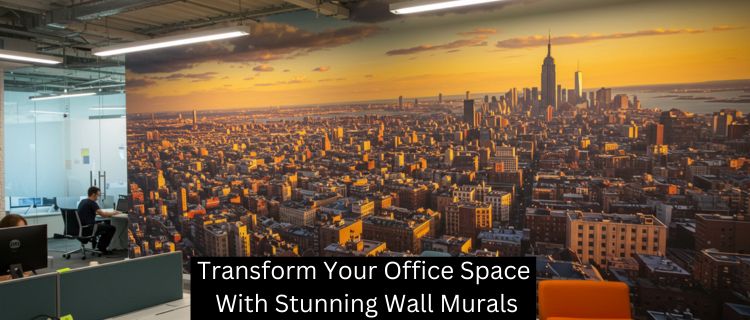
Three years ago, I walked into a tech startup’s office in Lehi that had just installed a massive wall mural in their main workspace. The mural showed a mountain landscape with their company values integrated into the design. What struck me wasn’t just how good it looked—it was watching employees genuinely stop and look at it, take pride in showing it to visitors, and use it as a backdrop for team photos they shared on social media.
The CEO told me something I haven’t forgotten: “We spent months debating expensive furniture and fancy equipment, but this $2,800 wall mural has done more for our culture than anything else we’ve invested in.”
That conversation changed how I think about office design. Most businesses focus on functional elements like desks, chairs, and computers while completely ignoring walls. Those blank surfaces represent wasted opportunities to communicate brand identity, inspire teams, and create environments that people actually want to work in.
I’ve since visited dozens of offices that transformed their spaces using custom wall murals, and I’ve watched the tangible impact these installations create. Let me show you what actually works, what doesn’t, and how to avoid the mistakes that waste money on ineffective designs.
Why Blank Walls Are Costing You More Than You Realize
Walk into most office spaces and you’ll see the same thing: white or beige walls with maybe a few generic posters or stock artwork. These spaces feel temporary, uninspiring, and completely disconnected from the company’s mission or culture.
I talked to an HR director at a mid-sized accounting firm who’d been struggling with employee engagement. Their office looked like every other professional services space—clean, functional, and utterly forgettable. She mentioned that new hires often commented during their first week that the office felt “kind of depressing.”
They installed three custom wall murals over a two-month period. One showed a stylized cityscape representing the communities they served. Another featured their core values in a bold, modern design. The third was an abstract piece incorporating their brand colors in the break room.
The changes weren’t just aesthetic. Employee satisfaction scores improved in their next quarterly survey. The HR director specifically asked about the office environment and got comments like “feels more professional now” and “finally looks like a real company.” Recruiting became easier because candidates actually complimented the office during interviews.
That’s the hidden cost of blank walls—they create spaces that feel temporary and unimportant, which affects how employees view the company and how clients perceive your professionalism.
Also read:
Why Consistent Branding Across All Signs Builds Customer Trust
The Psychology Behind Visual Environments
There’s solid research showing that physical environments affect mood, productivity, and creativity. Bland spaces create bland mindsets. Visually interesting environments stimulate thinking and engagement.
A software development company I know installed a wall mural showing famous innovators and technological milestones. Their lead developer told me he’d catch himself looking at it during breaks, which somehow helped him think through coding problems differently. The visual stimulation provided mental breaks that actually enhanced focus.
Color psychology plays a role too. A medical clinic replaced their stark white walls with nature-themed murals in calming blues and greens. Patient anxiety scores dropped measurably. Nurses reported that patients seemed more relaxed during procedures. The visual environment created genuine physiological responses that improved patient experiences.
This isn’t about making offices “pretty”—it’s about strategically designing environments that support business goals through visual communication.
Real Examples of Wall Murals That Actually Work
Let me share specific installations I’ve seen that delivered measurable results, along with why they worked.
Marketing Agency Reception Area
This agency installed a mural showing their work—screenshots of campaigns, client logos, and results they’d achieved. The mural essentially functioned as a visual portfolio that impressed visitors immediately.
Their business development director mentioned that prospects touring the office would stop and ask about campaigns shown in the mural. It created natural conversation starters that showcased expertise before formal presentations even began. They tracked three significant new clients who specifically mentioned the office environment during closing conversations.
The mural cost about $3,200 for a 15-foot wall. Those three clients represented over $180,000 in annual revenue. That’s return on investment that’s difficult to argue with.
Manufacturing Company Production Floor
This manufacturer installed safety-focused murals near equipment stations. Instead of boring OSHA posters, they created custom graphics showing proper procedures in visually engaging formats.
The safety coordinator reported that accident rates dropped 23 percent in the six months following installation. Exit interviews with employees revealed that the visual reminders were more effective than traditional signage because they actually grabbed attention instead of fading into the background.
Production supervisors noted another benefit: the murals made the facility look more professional during client tours. Several customers commented positively on the safety culture, which supported contract renewals and new business discussions.
Law Firm Conference Rooms
This firm installed historical murals in conference rooms showing important legal documents and Supreme Court justices. The designs were sophisticated and reinforced their positioning as established experts.
Partners mentioned that clients seemed more confident during initial consultations. The environment communicated stability and expertise non-verbally. One partner said, “We’re charging premium rates, and the office finally looks like it justifies those fees.”
They also used the conference rooms for recruiting interviews with law school graduates. Multiple new associates mentioned during onboarding that the office environment influenced their decision to accept offers over competing firms.
Design Mistakes That Waste Money and Look Terrible
I’ve also seen wall murals that failed completely, and the patterns are predictable. Avoiding these mistakes will save you from disappointing results.
Mistake 1: Stock Photography That Looks Generic
The worst murals use obviously generic stock photos that have no connection to the company. I saw an engineering firm with a mural showing people in hard hats on a construction site—except the company did software engineering and had never worked on a physical construction project.
Clients noticed the disconnect. Employees joked about it. The mural communicated nothing about the company’s actual work and just looked like they’d picked random images from a stock photo site.
Custom designs or company-specific photography create authentic representations that actually mean something. Generic imagery is worse than blank walls because it actively creates confusion about your brand identity.
Mistake 2: Overcomplicated Designs With Too Much Information
A financial services company tried cramming their entire service list, multiple slogans, graphs, charts, and photographs into a single mural. The result was visual chaos that communicated nothing effectively.
Wall murals need clear focal points and intentional design hierarchy. Your eye should know where to look first, second, and third. Cramming too much into available space creates cluttered designs that people’s brains simply tune out.
Simplicity almost always works better. One strong concept executed well beats five mediocre concepts fighting for attention.
Mistake 3: Poor Color Choices That Clash With Existing Decor
I watched a company install a mural with bright reds and yellows in an office decorated in cool grays and blues. The mural technically looked good in isolation but clashed horribly with the surrounding environment.
Your mural should complement existing office design, not fight against it. Bring paint samples, fabric swatches from furniture, and photos of your space to design consultations. Professional designers can create murals that enhance rather than conflict with your existing aesthetic.
Mistake 4: Wrong Scale For the Space
Scale matters enormously. I’ve seen tiny murals on huge walls that look awkward and incomplete. I’ve also seen oversized designs in small spaces that feel overwhelming and claustrophobic.
A good design team will visit your actual space and recommend appropriate scale. Photos and measurements help, but there’s no substitute for seeing the actual wall in person when planning mural dimensions.
Also read:
The Importance of Sign Placement: Attract Customers Instantly
Choosing Content That Actually Resonates
What should your mural actually show? The answer depends entirely on your goals and audience.
Brand Identity Reinforcement
If you want to strengthen internal culture, murals featuring company values, mission statements, or origin stories work well. But execution matters. Simply printing your mission statement in large text looks boring. Integrating those concepts into compelling visual designs creates impact.
A healthcare company showed their values through illustrated patient stories. Each value connected to a specific person they’d helped, with artistic renderings showing those moments. Employees could explain every element of the mural because it represented real experiences rather than abstract concepts.
Industry-Specific Imagery
Murals that reflect your actual work help clients immediately understand what you do. An architecture firm might show buildings they’ve designed. A restaurant could feature ingredients or cooking processes. A landscaping company could display gardens they’ve created.
This approach works especially well in client-facing spaces where you want to communicate expertise quickly. The visual proof builds credibility before conversations even begin.
Inspirational and Motivational Themes
Carefully executed inspirational murals can genuinely boost morale. The key word is “carefully.” Cheesy motivational posters don’t work. Thoughtful designs that connect inspiration to your specific industry or mission can be powerful.
A sales organization installed a mural showing a climbing expedition reaching a summit, with text connecting the journey to their annual goals. Team members referenced it during meetings. It became part of their internal language when discussing challenges and progress.
The mural worked because it wasn’t generic inspiration—it connected specifically to their culture and objectives.
Local Pride and Community Connection
For businesses serving specific geographic areas, murals featuring local landmarks, history, or culture create strong connections with community-minded customers.
A credit union installed murals showing the evolution of their city across different decades. Members loved it, older clients shared memories about scenes depicted, and younger members learned about community history. The murals communicated that this was a local institution with deep roots, differentiating them from national banks.
Material Quality Makes or Breaks Longevity
Not all wall murals use the same materials, and quality differences dramatically affect lifespan and appearance.
Premium murals use materials like 3M IJ180 vinyl with 8518 laminate or similar commercial-grade products. These materials resist fading from UV exposure, clean easily, and maintain appearance for seven to ten years in normal office environments.
Cheaper materials might cost less initially but fade within two years, develop bubbles or wrinkles, or become difficult to clean. I’ve seen companies install budget murals that looked terrible within eighteen months, requiring complete replacement that cost more total money than quality materials would have from the start.
Ask specifically about material specifications. If a quote seems unusually cheap, there’s probably a reason—and that reason is usually inferior materials that won’t last.
Installation Quality Determines Final Results
Beautiful designs executed poorly look terrible. Installation quality matters as much as design work.
Professional installers prepare surfaces properly, removing any texture or imperfections that would show through the vinyl. They use tools like squeegees, heat guns, and precision knives to ensure smooth application without bubbles, wrinkles, or misaligned sections.
I watched an installation team spend an entire day on a 20-foot mural. They measured repeatedly, aligned sections perfectly, and inspected their work from multiple angles throughout the process. That attention to detail delivered a flawless result.
I’ve also seen amateur installations with visible seams, bubbles, crooked alignment, and rough edges. These problems ruin otherwise good designs and make businesses look unprofessional.
Don’t try saving money by hiring inexperienced installers or attempting DIY installation on large murals. The risk of ruining expensive materials far exceeds any labor cost savings.
Practical Planning Steps Before Installation
Here’s the process I recommend based on watching successful projects:
Step 1: Define Your Objectives
Get clear on what you want to accomplish. Are you trying to inspire employees, impress clients, reinforce brand identity, or improve aesthetics? Different objectives suggest different design approaches.
Write down specific goals. “Make the office look better” is too vague. “Create a reception area that impresses potential clients and communicates our expertise in financial services” gives designers something concrete to work toward.
Step 2: Choose Strategic Locations
Not every wall deserves a mural. Identify high-impact locations where people naturally spend time or where you want to create specific impressions.
Reception areas, conference rooms, break rooms, and main hallways typically offer the best visibility. Back hallways that only employees see occasionally might not justify the investment unless your goal is specifically employee-focused.
Step 3: Gather Visual Inspiration
Create a collection of mural examples you like. Pinterest boards, saved images, or even photos of spaces you’ve visited help designers understand your aesthetic preferences.
But don’t just show what you like—explain why you like it. “I like this because the colors are sophisticated” or “I like how this tells a story visually” gives designers insight into your thinking beyond the specific example.
Step 4: Work With Your Existing Brand Assets
Collect logos, brand guidelines, color specifications, and any existing marketing materials. Professional designers will ensure your mural aligns with established brand identity rather than creating visual conflicts.
If you don’t have formal brand guidelines, at least identify the colors, fonts, and visual style that represent your company in other contexts.
Step 5: Set Realistic Budgets
Quality wall murals typically cost between $15 and $40 per square foot depending on complexity, materials, and installation requirements. A 10-foot by 8-foot mural (80 square feet) might range from $1,200 to $3,200.
Custom design work, difficult installation conditions, or premium materials increase costs. Simple designs using standard materials cost less. Get quotes from multiple providers to understand market pricing in your area.
Maintaining Murals For Long-Term Impact
Once installed, murals need minimal maintenance but benefit from basic care.
Regular cleaning with mild soap and water keeps murals looking fresh. Avoid abrasive cleaners or rough scrubbing that could damage the vinyl surface or laminate protection.
Address any damage quickly. Small tears or lifting edges that get ignored become bigger problems. Most professional installers can repair minor damage using small vinyl patches that blend seamlessly when done correctly.
Expect gradual fading over years, especially in areas receiving direct sunlight. UV-protective laminate slows this process but doesn’t eliminate it completely. Budget for eventual replacement after seven to ten years as part of normal facility maintenance.
When Wall Murals Don’t Make Sense
Let me be honest about situations where murals might not be the right investment.
Temporary office spaces don’t justify custom murals unless you’re absolutely certain you’ll stay long-term. If you’re in a short-term lease or planning to move within two years, invest that money elsewhere.
Extremely tight budgets might be better spent on essential business operations. While murals deliver value, they shouldn’t come at the expense of critical business needs. Get your fundamentals solid before investing in aesthetic improvements.
Businesses without clear brand identity might want to establish that first. If you’re still figuring out your visual identity, logos, and messaging, develop those elements before committing to large permanent installations that might not align with where your brand ultimately lands.
Why This Investment Keeps Paying Returns
Unlike most office expenses that depreciate immediately, wall murals actually appreciate in value through the impressions they create over years.
Think about the number of employees who see it daily, clients who visit quarterly, prospects touring during sales processes, and job candidates evaluating your culture during interviews. Each of those impressions contributes to perceptions that affect business outcomes.
A well-designed mural working for seven years might be seen by thousands of people who form positive impressions about your professionalism, culture, and brand identity. That cumulative effect delivers returns far exceeding the initial investment.
The businesses thriving in competitive markets aren’t just delivering quality products and services—they’re creating complete brand experiences that include thoughtfully designed physical environments. Wall murals transform generic office spaces into branded environments that communicate who you are and what you value.
Your walls are going to exist whether you use them strategically or leave them blank. Making them work for your business objectives is just smart resource allocation that keeps delivering value long after the installation crew leaves.
Back