



Truck Wraps Cost Effective Advertising Small Business
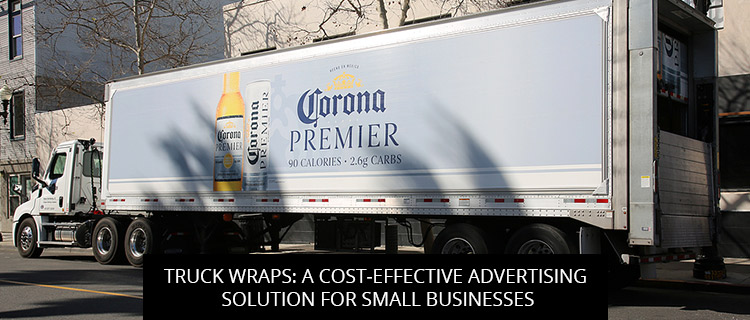
Last summer, I watched a small plumbing company called Morrison & Sons completely transform their business using something that cost them less than three months of Facebook ads. They wrapped two of their service trucks, and within eight weeks, their service calls increased by 40 percent. The owner, Dave Morrison, told me he wished he’d done it five years earlier instead of wasting money on advertising that never seemed to stick.
That conversation made me realize how many small business owners are still dumping money into advertising channels that deliver mediocre results while ignoring one of the most effective tools available. Truck wraps represent something rare in marketing: a single investment that keeps working year after year without asking for another dollar.
I’ve spent the last three years talking to small business owners across Northern and Central Utah about their marketing strategies, their wins, and their expensive mistakes. The pattern became impossible to ignore. Businesses using wrapped vehicles consistently reported better returns than those relying solely on digital advertising, radio spots, or local print media.
Let me show you exactly why truck wraps work so well for small businesses, what they actually cost, and how to avoid the mistakes that waste money and deliver disappointing results.
What Actually Goes Into a Truck Wrap
Before we talk about benefits and costs, you need to understand what you’re actually buying. A truck wrap isn’t just a giant sticker slapped on your vehicle. It’s a carefully engineered advertising system designed to withstand harsh conditions while looking professional.
The material itself is premium vinyl, typically 3M or Avery Dennison brand, with specialized adhesives that stick securely but can be removed years later without damaging paint. The vinyl comes with laminate protection that prevents fading from UV exposure and protects against minor scratches and road debris.
Installation requires real skill. I watched a two-person crew spend an entire day installing a full wrap on a Ford F-250. They meticulously cleaned every surface, used heat guns to make the vinyl conform to curves and body lines, and trimmed everything with surgical precision around door handles, mirrors, and trim pieces.
The design phase matters just as much as installation. Your wrap needs readable contact information, clear messaging about what you do, and visual elements that grab attention without creating confusion. I’ve seen wraps fail because the design looked beautiful in Photoshop but became unreadable on an actual moving vehicle.
Also read:
The Complete Guide to Sign Design, Installation & Repair in Utah
The Real Numbers Behind Truck Wrap Advertising
Here’s where things get interesting for small business budgets. A quality partial wrap covering doors and rear panels typically runs between $1,500 and $2,500 depending on vehicle size. Full wraps covering the entire truck range from $3,000 to $5,000 for standard commercial vehicles.
That sounds like a lot until you compare it to other advertising options. A small business running Google Ads might spend $800 to $1,500 monthly. Local radio advertising costs $500 to $2,000 per month for decent air time. Billboard rentals run $1,500 to $4,000 monthly in most Utah markets.
Do the math on a $3,500 truck wrap that lasts six years. That’s $583 per year, or about $49 monthly. Show me any other advertising medium that delivers constant visibility for $49 a month. It doesn’t exist.
But raw cost comparisons don’t tell the complete story. The quality of impressions matters enormously.
A landscaping company owner named Jennifer told me something that stuck with me. She’d been running Facebook ads for two years, spending about $600 monthly. She generated leads, but the quality was inconsistent. People would inquire, then ghost her. Tire kickers and price shoppers dominated her lead flow.
After wrapping her truck and trailer, something changed. The calls coming from people who’d seen her vehicles were different. They’d watched her crew working in their neighborhood. They’d seen the truck parked at their neighbor’s house. These weren’t cold leads—they were warm prospects who’d already formed a positive impression before calling.
That psychological difference translates directly to better conversion rates and higher-quality customers.
Why Small Businesses Get Better Returns From Wrapped Vehicles
Large corporations can afford wasteful advertising. Small businesses cannot. Every marketing dollar needs to work harder and deliver measurable results. Truck wraps check boxes that matter specifically to small business economics.
Constant Local Presence
Your truck travels through the exact neighborhoods where your customers live. Unlike digital ads that might show your plumbing services to someone three states away, wrapped vehicles advertise exclusively within your actual service area.
I talked to an HVAC contractor who realized his wrapped truck was being seen by the same commuters every single morning. He drove the same route to his shop each day, creating repetitive brand exposure among people who lived in his ideal service area. That repetition built familiarity and trust without any additional effort.
No Recurring Payments
Small business cash flow is unpredictable. Some months are great, others are brutal. Advertising channels with monthly bills force you to choose between maintaining visibility and managing cash flow.
Truck wraps eliminate that pressure. You pay once and you’re done. During slow months, your advertising doesn’t stop working because you paused a campaign. The truck keeps generating impressions regardless of your bank balance.
A contractor friend told me this was the biggest relief. He’d always stressed about whether he could afford to continue advertising during winter slowdowns. His wrapped trucks kept working through the lean months, helping generate the spring projects that made up for winter’s reduced revenue.
Employee Buy-In and Pride
This benefit surprised me until I saw it repeatedly. Employees driving professionally wrapped vehicles take more pride in their work. They’re more conscious of driving behavior, vehicle cleanliness, and customer interactions because they’re representing a visible brand.
A cleaning service owner mentioned her employees started keeping vehicles cleaner after the wrap installation. Nobody wanted to drive around in a dirty truck advertising their cleaning business. That self-consciousness created better brand representation without any management mandate.
Credibility With Skeptical Customers
Small businesses constantly battle credibility concerns. Customers wonder if you’re legitimate, established, and trustworthy. Professionally wrapped vehicles answer those questions immediately.
When you pull up to an estimate in a wrapped truck, you’re signaling investment in your business. You’re demonstrating that you’re not some fly-by-night operation working out of a personal vehicle. That visual credibility closes deals before you’ve said a word.
Real Results From Small Businesses Using Truck Wraps
Let me share some actual outcomes from small businesses I’ve talked to over the past few years. These aren’t cherry-picked success stories—they’re representative of what typically happens when businesses wrap their vehicles properly.
Case Study: Mountain West Electrical
This small electrical contractor wrapped two service vans in early 2021. Total investment: $6,200 for both vehicles. They started tracking leads by asking every caller how they heard about the company.
In the first year, they attributed 47 new customers directly to vehicle sightings. Their average job value was $850. That’s $39,950 in revenue from a $6,200 investment. Even accounting for job costs, the ROI was phenomenal.
The owner, Marcus, told me something interesting. Several customers mentioned seeing his vans “everywhere.” In reality, he only had two vehicles covering a limited service area. But the visibility created a perception of being the established electrical contractor in the region.
Case Study: Pristine Property Maintenance
This landscaping and snow removal company wrapped three trucks and two trailers over a two-year period. Total investment: approximately $14,000.
They didn’t track leads as formally, but the owner noticed tangible business growth. Their residential client base grew from 34 accounts to 89 accounts during the two years following the first wrap installation. She attributes at least half of that growth to vehicle visibility.
More importantly, the quality of clients improved. People calling after seeing the trucks were typically homeowners in upscale neighborhoods—exactly the demographic they wanted to target. The wraps acted as a filter, attracting the right customer profile.
Case Study: Rapid Response Plumbing
This plumbing company made a mistake that’s worth learning from. They wrapped one truck with a beautiful design that looked amazing in photos. But they included eight different phone numbers for different service areas, crammed multiple service descriptions into small spaces, and used a decorative font that was difficult to read.
The wrap generated almost no measurable response. After six months of disappointment, they redesigned with a single large phone number, clear “24/7 Emergency Plumbing” messaging, and simple bold fonts. The second version generated a complete different result—multiple calls weekly from people who’d seen the truck.
The lesson? Design execution matters as much as the decision to wrap your vehicle.
Choosing Between Full Wraps and Partial Coverage
This decision trips up many small business owners. You want maximum impact but you’re working with limited budgets. Let me break down the practical considerations based on what I’ve seen work.
Full wraps deliver undeniable visual impact. The entire vehicle becomes your billboard with no interruptions. If budget allows and you’re wrapping a single vehicle that represents your primary mobile presence, full coverage often makes sense.
Partial wraps strategically cover high-visibility areas while leaving other sections in the vehicle’s original color or a simple painted background. This approach costs 40 to 60 percent less than full wraps while still delivering professional branding.
Here’s my observation: for businesses with multiple vehicles, partial wraps on more trucks typically delivers better total visibility than full wraps on fewer vehicles. Five partially wrapped trucks generate more total impressions across more locations than two fully wrapped trucks.
A roofing contractor explained his thinking. He could either fully wrap two trucks for $8,000 or partially wrap all five of his vehicles for the same money. He chose five partial wraps, reasoning that having his brand visible on five different job sites simultaneously would generate more awareness than two fully wrapped trucks.
Three years later, he’s convinced he made the right call. Customers regularly comment on seeing his trucks throughout the valley. That perception of being everywhere came from strategic partial wraps across his fleet.
Also Read:
Why Your Store Isn’t Attracting Customers (And How Outdoor & Indoor Signs Can Fix It Fast)
Design Mistakes That Kill Truck Wrap Effectiveness
I’ve seen enough bad wraps to recognize the patterns that reduce effectiveness. Avoiding these mistakes will save you from disappointing results.
Too Much Information
The worst wraps try cramming every possible service, every certification, multiple phone numbers, website URLs, social media handles, and taglines into the available space. The result is visual chaos that communicates nothing effectively.
People viewing your truck have seconds, not minutes. They need to instantly understand who you are, what you do, and how to contact you. Everything else is noise that reduces effectiveness.
A successful contractor told me he reduced his wrap message to four elements: company name, “Residential Roofing & Repairs,” a single phone number, and his logo. That simplicity made everything readable and memorable. Inquiry calls increased after removing information, not adding it.
Unreadable Fonts
Decorative script fonts look elegant in branding materials but become unreadable on moving vehicles viewed from a distance. Bold, simple fonts with high contrast deliver better results every single time.
I watched a bakery struggle with a wrap using beautiful scripted fonts that perfectly matched their brand aesthetic. Nobody could read it from more than fifteen feet away. After switching to bold sans-serif fonts, visibility and recognition improved dramatically.
Poor Color Contrast
Light text on light backgrounds or dark text on dark backgrounds fails from a visibility standpoint. Your wrap needs strong contrast that makes text pop even in varying light conditions.
A pest control company used brown text on a tan background because those colors matched their logo. The wrap was nearly invisible in bright sunlight. They eventually added white backgrounds behind text sections, which solved the readability problem immediately.
No Clear Call to Action
What should people do after seeing your truck? Call you, obviously. But some wraps bury contact information or make phone numbers too small to read from a following vehicle.
Your phone number should be large enough to read from at least two car lengths behind. If someone can’t capture your number while sitting at a stoplight behind you, you’re wasting impressions.
Maintenance Reality: Making Wraps Last
Quality wraps should last five to seven years, but only with proper care. I’ve seen wraps fail in three years due to neglect and others still looking great after eight years because of good maintenance practices.
Regular washing matters more than most people realize. Road grime, tree sap, bird droppings, and industrial fallout gradually degrade vinyl if left sitting on the surface. Hand washing or touchless car washes work best. Avoid automated brush car washes that can catch wrap edges and cause lifting or tearing.
A delivery company owner learned this lesson expensively. They never washed their wrapped trucks, figuring the rain would handle it. Within two years, the wraps looked faded and dirty. They replaced them earlier than necessary purely due to neglect.
Parking in covered areas when possible extends wrap life significantly. Constant UV exposure fades colors and breaks down adhesive over time. Even just parking in shade rather than direct sun makes a measurable difference.
Address damage quickly. Small tears or lifting edges that get ignored become bigger problems. A quick repair using small amounts of matching vinyl prevents minor issues from destroying entire wrap sections.
Working With Wrap Installers: What to Look For
Not all wrap companies deliver the same quality. I’ve seen enough installation disasters to recognize warning signs that predict disappointing results.
Experience with commercial vehicles matters. Installing wraps on complex truck surfaces with rivets, corrugations, and curved panels requires different skills than wrapping flat car surfaces. Ask potential installers about commercial vehicle experience specifically.
Request photos of previous truck work. Look for clean lines around door handles and trim, smooth application without bubbles or wrinkles, and professional finishing on edges. These details separate skilled installers from amateurs.
Warranty coverage tells you about installer confidence. Reputable companies warranty their installation work for at least one year, covering lifting, bubbling, or adhesion failures that result from poor installation rather than damage or neglect.
A plumber told me about choosing an installer based solely on price. The cheap installer did mediocre work with visible bubbles, misaligned graphics, and edges that started lifting within months. He ended up paying a quality installer to redo everything, spending more total money than if he’d made the right choice initially.
Also read:
Expert Tips for Designing Signs That Effectively Communicate Your Brand
Tracking Return on Investment
Smart business owners measure advertising effectiveness rather than assuming results. Tracking truck wrap ROI requires intentional systems but delivers valuable data.
The simplest approach: ask every caller how they heard about you. Train whoever answers phones to ask this question and record responses. After a few months, you’ll have data showing how many inquiries came from vehicle sightings.
Use dedicated phone numbers on wrapped vehicles if you want precise tracking. Services like CallRail provide local numbers that forward to your main line while tracking every call. This eliminates the guesswork in attribution.
One electrical contractor implemented this system and discovered wrapped vehicles generated 35 percent of total inquiries. That data justified expanding from two wrapped trucks to five, knowing the channel delivered measurable returns.
Take photos of your wrapped vehicle at job sites and share them on social media. This multiplies the advertising value by creating additional impressions beyond people seeing the physical truck. Several businesses told me these posts generated more social engagement than any other content they shared.
Why This Works When Other Advertising Fails
After researching this topic extensively and talking to dozens of small business owners, I’m convinced truck wraps deliver better returns than most advertising channels for one fundamental reason: they create genuine brand familiarity rather than interrupting people with unwanted messages.
Nobody wants to see your Facebook ad. Nobody appreciates radio commercials interrupting their music. Nobody enjoys billboards cluttering scenic views. These advertising formats work despite being unwanted intrusions.
Wrapped vehicles are different. They’re part of the environment. People see them naturally while going about their day. There’s no feeling of being marketed to, no conscious resistance to the message. The brand exposure happens organically, creating familiarity without triggering advertising avoidance.
A restaurant owner explained it perfectly. Her catering van was wrapped with her logo and menu highlights. She’d park it outside the restaurant during business hours. Customers would mention seeing the van around town, which made them curious enough to visit. The vehicle created awareness that drove foot traffic without feeling like advertising.
That psychological difference matters enormously. People trust brands they’re familiar with. Wrapped vehicles create familiarity through repetitive, non-intrusive exposure. By the time someone needs your service, they already feel like they know you because they’ve seen your trucks around town.
Making the Decision That’s Right for Your Business
Truck wraps aren’t right for every business in every situation, but they’re right for more businesses than are currently using them. If you operate service vehicles that travel through areas where potential customers live or work, wrapping those vehicles should be a serious consideration.
Calculate what you’re currently spending on advertising that delivers mediocre results. Most small businesses could redirect just a few months of digital ad spending into a truck wrap that would work for years. The economics make sense if you’re willing to think beyond monthly marketing budgets and consider long-term investments.
Start with one vehicle if you’re hesitant. Wrap your most visible truck and track the results for six months. You’ll quickly determine whether the investment delivers value for your specific business and market.
The small businesses winning in competitive markets aren’t necessarily spending more on marketing—they’re spending smarter. They’re choosing channels that deliver consistent returns without requiring constant feeding. Truck wraps represent exactly that kind of smart investment.
Your vehicles are already on the road consuming fuel and requiring maintenance. Make them work harder for your business by transforming them into mobile advertisements that build your brand every single day.
Back